Ask Me How to Become a Homeowner


Connect with me today to learn how you can take the first steps toward becoming a homeowner.

Calgary boasts a unique semi-arid climate with fluctuating temperatures so how do you know the right flowers and plants for your garden? Here are some top choices that thrive in Calgary's conditions:
Hardy Perennials
Unpredictable weather calls for resilient plants, and hardy perennials fit the bill perfectly. Look for varieties like Echinacea, Black-eyed Susan, and Sedum as they’ll withstand Calgary's cold winters and hot summers with ease, providing vibrant blooms year after year.
Native Plants
Embracing native plants supports the local ecosystem and will be adapted to the climate which needs less water and maintenance. Some of Calgary’s native plants are Gaillardia (Blanket Flower), Lupine, and Prairie Smoke.
Drought-Tolerant Succulents
More and more, water conservation is crucial, but that doesn’t mean a garden doesn’t have to look barren. Drought-tolerant succulents like Sempervivum, Agave, and Sedum can add texture while reducing water consumption.
Cold-Hardy Roses
Despite the harsh winters, roses can thrive with the right care and selection. Look for cold-hardy varieties such as the Canadian Explorer Series, Parkland Series, and Morden Blush, which can withstand Calgary's cold temperatures while still producing beautiful blooms.
Alpine Plants
Calgary shares similarities with alpine climates so alpine plants like Lewisia, Alpine Aster, and Alpine Forget-Me-Not can add a touch of mountain charm to your garden.
Herbs
Culinary herbs like thyme, sage, and lavender adds fragrance and flavour to your garden and thrive in Calgary's climate. Their ability to withstand drought and fluctuating temperatures makes them an excellent choice for Calgary gardeners.
By selecting the right flowers and plants for Calgary's unique climate, you can create a vibrant and flourishing garden that thrives despite the challenges of the region. Whether you prefer vibrant perennials, native species, or water-wise succulents, there's a wide variety of options to suit every taste and style. With proper care and attention, your Calgary garden can be a beautiful oasis for years to come.
CREB Report
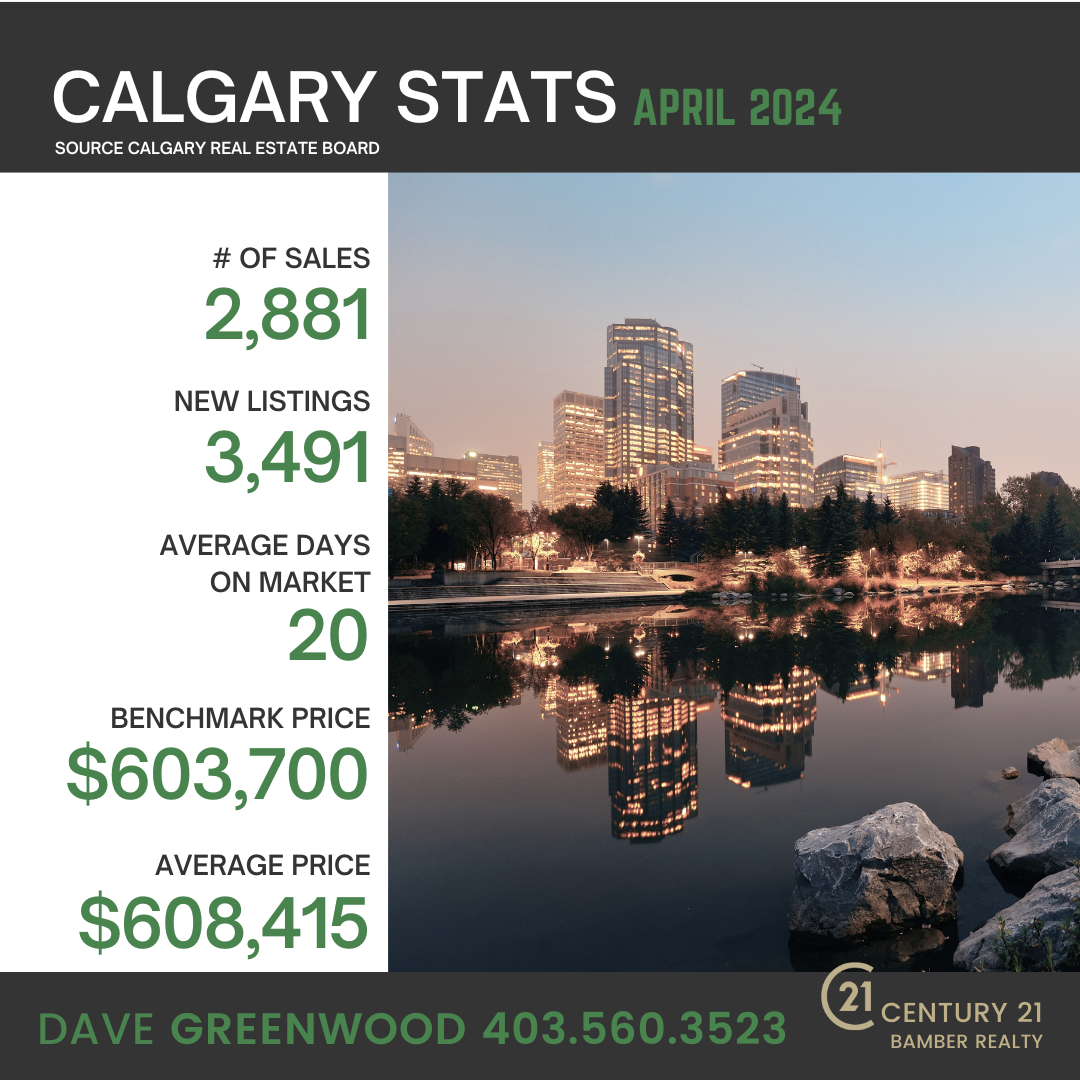
April saw a seven percent increase in sales compared to the previous year, reaching a total of 2,881 units. Although the rate of growth slowed compared to earlier months, sales remained significantly above the long-term average for April, with a 37 percent increase. The surge in sales predominantly involved more affordable, higher-density products.
Simultaneously, April witnessed 3,491 new listings, marking an 11 percent rise from the previous year, but only a three percent increase compared to long-term trends. The increase in listings helped stabilize inventory levels, preventing further decline. However, with 2,711 units in inventory, levels were still 16 percent lower than the previous year and half of what is typically observed in April.
Ann-Marie Lurie, Chief Economist at CREB®, noted, "While supply levels continue to dwindle, much of the decrease is attributed to lower-priced homes, which experienced a 29 percent decline. Conversely, there is a noticeable uptick in supply for homes priced above $700,000. Persistently high-interest rates are steering demand towards more affordable options while simultaneously boosting listings for higher-priced properties."
The market continued to favour sellers, evident in the sales-to-new-listings ratio of 83 percent and a months-of-supply figure of less than one month. Consequently, prices continued to climb, with the unadjusted total residential benchmark price reaching $603,700 in April, marking a one percent increase from the previous month and nearly a 10 percent surge from the previous year. This price growth was observed across all property types and districts, with the most significant increases occurring in the more affordable areas of the city.





Green Living on a Budget
Did you know it’s possible to make eco-friendly choices for your home while staying within your budget? Let's explore some affordable and environmentally conscious projects that can enhance your living space while reducing your ecological footprint.
Energy-Efficient Lighting
One of the simplest and most cost-effective ways to make your home eco-friendly is by switching to energy-efficient lighting. Replace traditional incandescent bulbs with LED or CFL bulbs, which consume significantly less energy and last much longer.
DIY Insulation
Proper insulation is crucial for maintaining a comfortable indoor temperature and reducing energy consumption. Instead of hiring professionals, you could tackle the project yourself. Seal gaps around windows and doors with weatherstripping, and insulate attics, crawl spaces, and basement walls with affordable materials like fibreglass batts or cellulose insulation.
Low-Flow Fixtures
Upgrading to low-flow fixtures in your kitchen and bathroom is an effective way to conserve water without sacrificing performance. Install aerators on faucets and showerheads to reduce water flow, and replace old toilets with water-efficient models.
Upcycled Décor
Get creative with your home decor by upcycling old materials and furniture into new, stylish pieces. Repurpose wooden pallets into rustic shelves or outdoor furniture, transform mason jars into trendy light fixtures or storage containers, and breathe new life into outdated furniture with a fresh coat of eco-friendly paint. Not only will you save money, but you'll also divert waste from landfills and add a unique touch to your home decor.
Indoor Plants
Incorporating indoor plants into your home decor is a budget-friendly way to improve air quality, reduce stress, and enhance overall well-being. Choose low-maintenance varieties such as pothos, snake, and spider plants, which thrive in various indoor environments and require minimal care. You can even propagate new plants from cuttings to expand your indoor garden without spending a dime. If you have pets, note that pothos and snake plants might not be ideal, while spider plants are safe.
Homemade Cleaners
Say goodbye to expensive, chemical-laden cleaning products. Make eco-friendly cleaners using simple, affordable ingredients like vinegar, baking soda, and lemon juice. These natural alternatives are as effective at cleaning and disinfecting surfaces without harming the environment or your health. Plus, they're much gentler on your wallet!
Remember, every small change counts when it comes to your budget, protecting the planet, and preserving our resources for future generations.
Happy green renovating!
CREB report
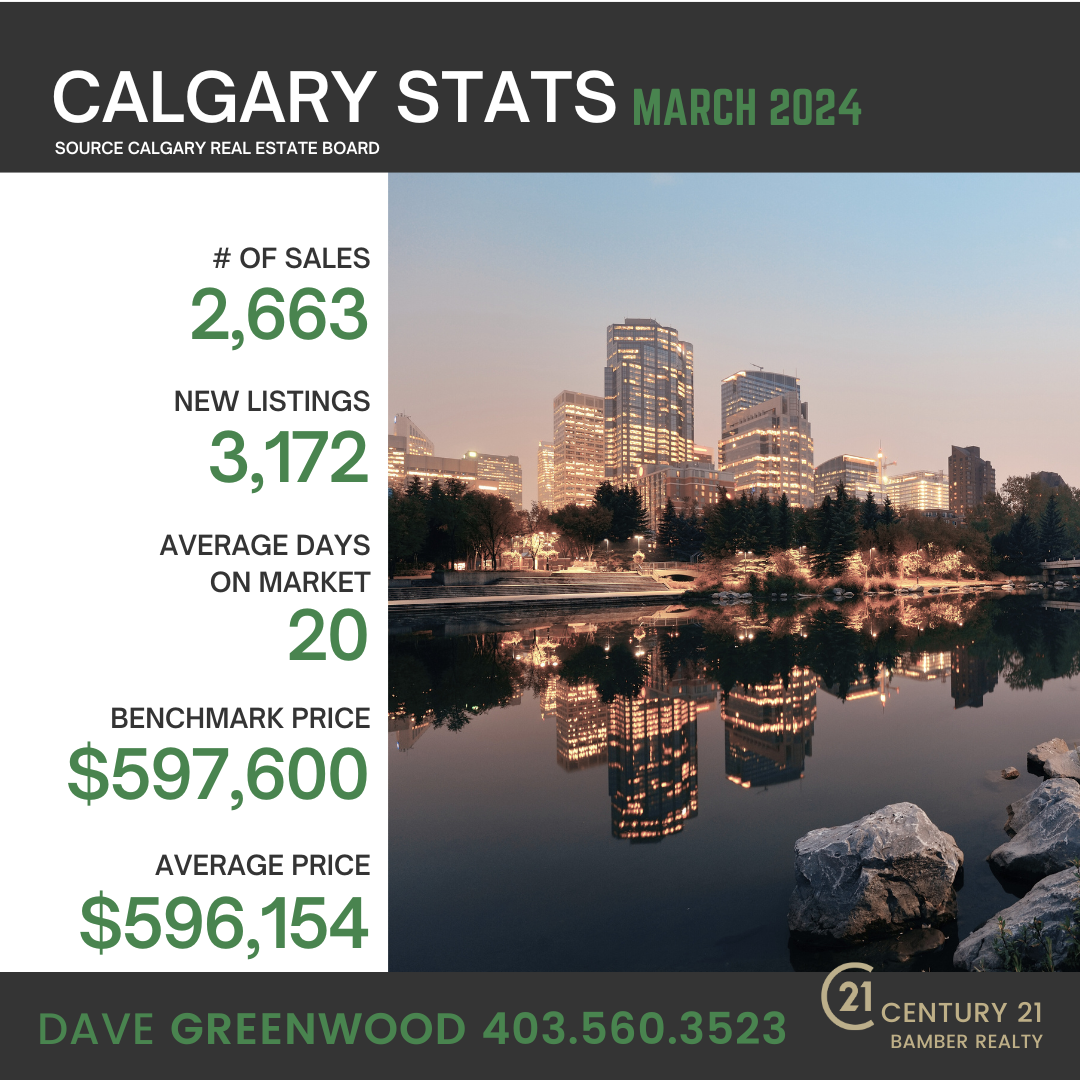
March witnessed a surge in sales, with 2,664 units sold, marking a 10 percent increase compared to the previous year and surpassing long-term trends. Despite a slight uptick in new listings from the previous month, the total of 3,172 units fell short of the typical March influx, failing to alleviate the supply shortage relative to the sales volume. Consequently, the sales-to-new listings ratio climbed to 84 percent, driving the months of supply below one month.
According to Ann-Marie Lurie, Chief Economist at CREB®, March experienced unprecedented tight market conditions not seen since 2006, coinciding with high levels of interprovincial migration and a months-of-supply below one month. This trend signifies the third consecutive year favoring sellers, propelled by a surge in demand due to migration spikes, leading to dwindling resale and rental inventory. Given the time required for supply adjustments, the persistent upward pressure on home prices comes as no surprise.
Inventory levels dwindled notably for properties priced below $1,000,000, especially those below $500,000, with March inventory totaling 2,532 units, a 22 percent decrease from the previous year and only half the usual March levels.
The unadjusted total residential benchmark price in March surged to $597,600, marking a two percent increase from the previous month and an impressive 11 percent rise year-over-year. Price hikes were observed across all property types, with the most substantial gains seen in the relatively more affordable row and apartment-style homes.